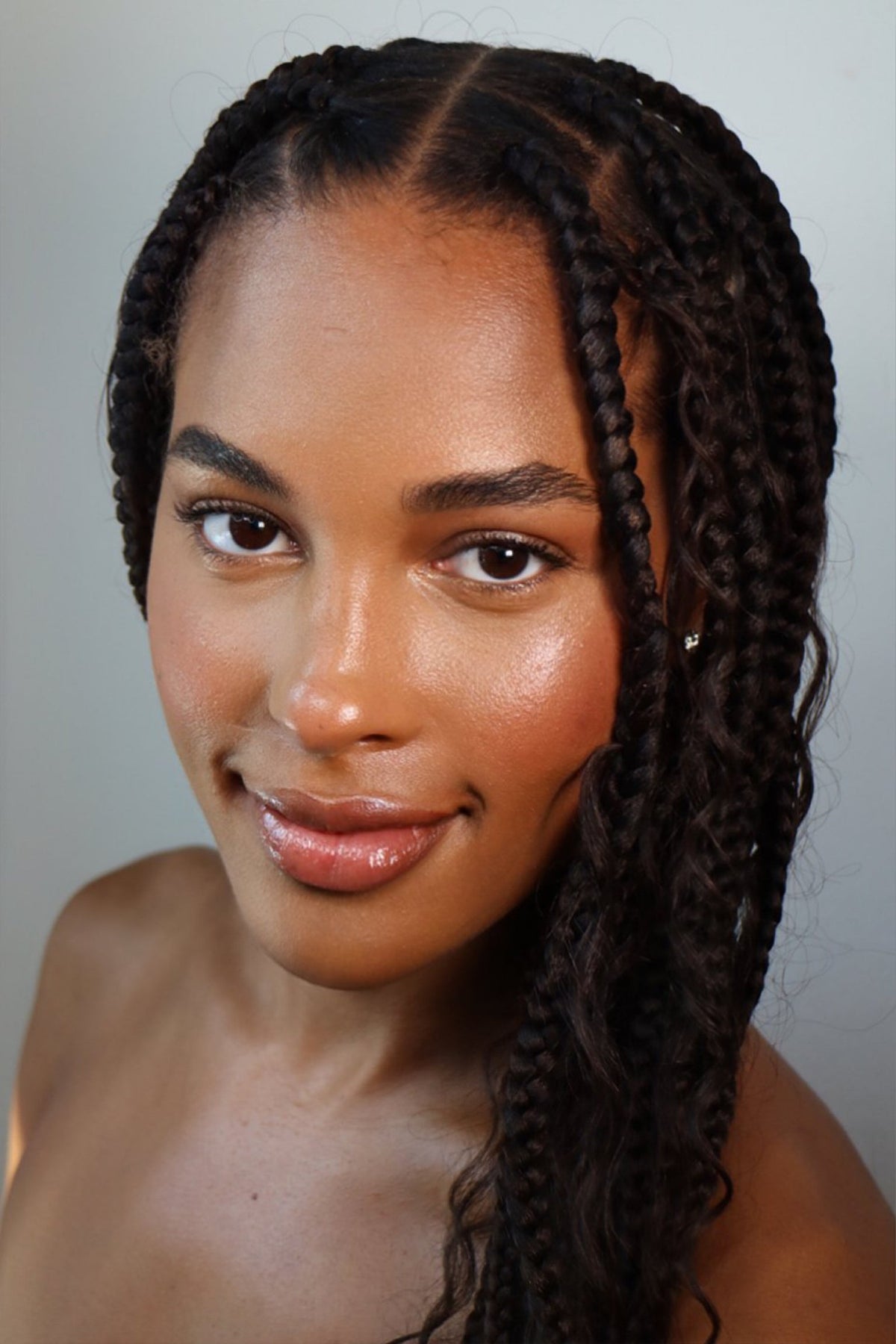
The latest leadership change at Topicals is bigger than a CEO announcement. It is a clear signal about where Black beauty is going next: global, infrastructure-minded, and increasingly intentional about keeping Black women at the center of ownership and leadership.
Olamide Olowe is stepping down as CEO of Topicals, the skincare brand she co-founded in 2020 at age 23. Sukiana Chancy, formerly a senior executive at Fenty Beauty, is taking over as CEO as Topicals prepares to expand across Africa, Europe, and the Middle East. Black Enterprise and All News Black Women both frame the move as a major moment for Black women in beauty.
The headline numbers are impressive. Under Olowe’s leadership, Topicals reports 12-times revenue growth in five years, more than 10 million eye masks sold, and more than $22 million raised in venture funding. The brand has also built an international retail presence through Sephora and established a Beauty Hut in Nigeria. (Black Enterprise)
But the most important detail is not only that a Black woman built a category-defining company. It is that she is handing the CEO role to another Black woman to lead its next phase of global growth.

A Black Woman Built It. Another Black Woman Is Taking It Global.
Beauty has long celebrated Black founders when they are launching. The harder question is what happens when those brands reach scale.
Too often, the expected path is acquisition. A larger company brings capital, manufacturing, distribution, and international access. The founder receives liquidity, but ownership and long-term control can move elsewhere.
That is not automatically a bad outcome. Acquisitions can create generational wealth and give a brand resources that would otherwise take decades to build. The founders of Mielle Organics, for example, described the company’s sale to Procter & Gamble as “selling up, not selling out,” emphasizing the access to research, distribution, and global infrastructure that a large parent company can provide. (CNBC)
Still, the economics deserve an honest look.
When a founder sells a majority stake or the entire company, she may lose some influence over product development, pricing, hiring, distribution, and the long-term brand strategy. She may remain the public face or continue as an executive, but the future value of the business generally accrues to the acquiring company and its investors.
That is the difference between visibility and ownership.
Staying independent can be more difficult. It requires careful cash management, better margins, stronger operations, and the willingness to grow at a pace that protects the business. It may mean turning down a fast exit in favor of building a company that remains founder-led and strategically flexible.
Olowe’s transition is notable because it suggests a third path. She is not simply stepping away from Topicals. She is creating room for a seasoned operator while remaining closely connected to the company and its broader vision. Reporting from The Industry Beauty describes her move into a chairwoman role, while coverage from Black Enterprise notes that she will remain involved in the business.
That is what thoughtful scaling looks like: knowing when the founder’s role must evolve without assuming that the founder must disappear.
Why Sukiana Chancy Is the Right Kind of Successor
Sukiana Chancy brings experience from one of the most globally influential beauty companies of the last decade. Before joining Topicals, she worked at Fenty Beauty, overseeing skin, hair, and fragrance divisions. She has also held positions with Cay Skin, DevaCurl, and The Estée Lauder Companies. (All News Black Women)
That background matters because global growth is not only about having a compelling product. It requires supply-chain discipline, retail strategy, market knowledge, regulatory planning, hiring, and the ability to protect a brand’s identity across different countries.
Olowe told Business of Fashion that she wanted to work with someone who had built a global brand and managed a larger profit-and-loss operation. Chancy, meanwhile, has described her role as building the infrastructure needed to bring Topicals’ message to more people. (Business of Fashion)
That distinction is important. The next stage of Black beauty will not be won by branding alone. It will be won by companies that pair cultural intelligence with operational excellence.
The Market Is Finally Moving Toward the Customers It Overlooked
Topicals’ planned expansion into Africa, Europe, and the Middle East is strategically significant.
For decades, the beauty industry treated melanin-rich skin as a niche. Products for deeper complexions were often launched late, stocked inconsistently, or formulated without enough attention to hyperpigmentation, sensitivity, undertones, and post-inflammatory discoloration.
Consumers did not become more diverse. The industry simply became more aware of who had been underserved.
Topicals built its identity around concerns including hyperpigmentation, acne, dark spots, and other skin flare-ups. Its international growth suggests that the demand for this kind of expertise is not limited to the United States. (Black Enterprise)
Africa, Europe, and the Middle East are not one uniform market. Each region has different climates, regulations, retail patterns, beauty traditions, and consumer expectations. The opportunity is not to export one narrow version of Black beauty. It is to listen carefully, localize thoughtfully, and build with the customer rather than simply market at her.
That is where Black-owned beauty brands have an advantage. Many were created from lived experience rather than from a late-stage trend report.

The Wider Cohort Is Already Building for Women of Color
Topicals is part of a larger group of brands that understood early that women of color deserved more than retrofitted formulas and limited shade extensions.
Hyper Skin, founded by Desiree Verdejo, was built around concerns such as hyperpigmentation and acne scars in melanin-rich skin. Verdejo has described the brand as clinical skincare developed through the lens of skin of color. (Skincare.com)
EADEM, founded by Marie Kouadio Amouzame and Alice Lin Glover, also began with women of color at the center. The founders created the brand after recognizing how difficult it was to find safe, effective skincare designed for melanin-rich skin without compromising natural skin tone. (The Cut)
These brands are not simply adding inclusion to an existing formula. They are building their research, positioning, education, and community around the people they intend to serve.
That is the difference between representation as marketing and representation as business strategy.
Ownership Is Personal for Me
I understand the ownership conversation because I have lived through the difficulty of building a beauty company and losing a chapter of it.
I launched my first line, Perfect Face by Sheriff, in 2012. A trademark battle followed, and it was not one I could win. The brand ended around the same period that I was recovering from a serious car accident.
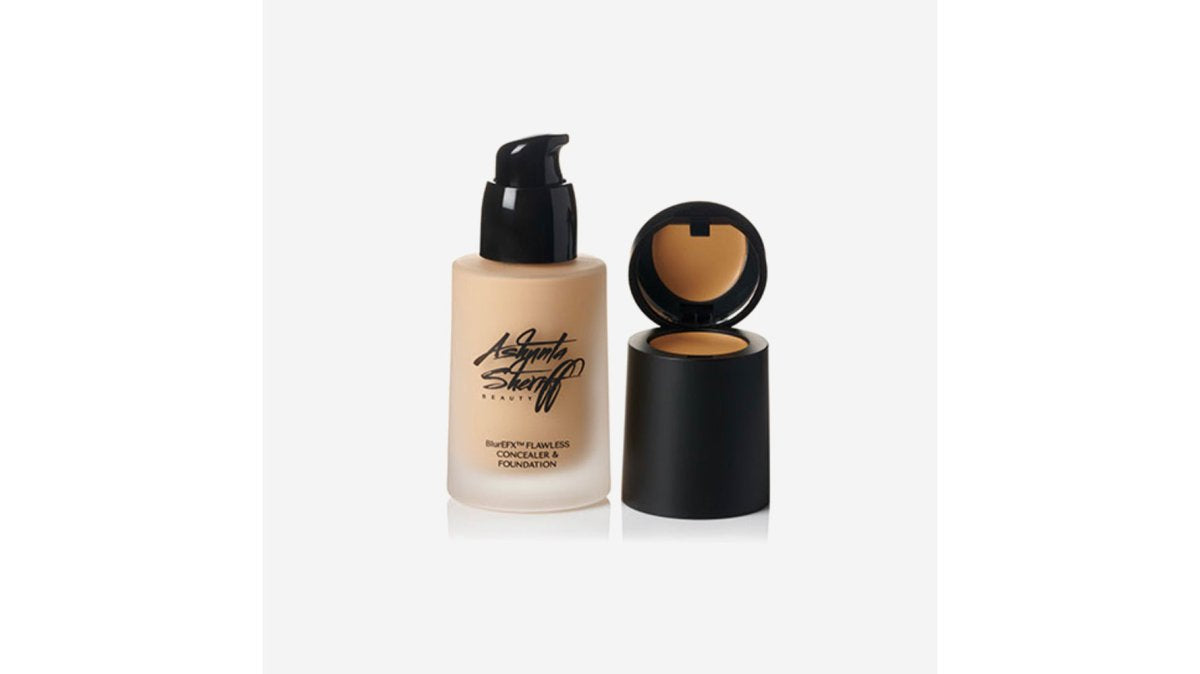
I did not stop believing in the work. I started again with Ashunta Beauty in 2020.
That experience changed how I think about resilience, intellectual property, and control. A beautiful product and a loyal customer base are not enough by themselves. Founders also need strong legal guidance, sustainable financial systems, clear ownership structures, and the freedom to make decisions that protect the brand’s future.
This is why Topicals’ leadership transition stands out to me. It is not a story about a founder being replaced. It is a story about a founder building enough value, trust, and structure to make the company bigger than one job title.
Clean Performance Was Never a Niche
At Ashunta Beauty, I believe clean performance for every complexion, at every age, was never a niche. It is the market.
Women in their thirties, forties, fifties, and beyond want makeup that respects their skin, performs under real conditions, and looks beautiful in real life. They want vegan, cruelty-free, non-toxic options without sacrificing color, wear, or sophistication.
That expectation is not limited to one demographic or one country. It is part of a larger shift in beauty: customers are asking who made the product, who owns the company, how it was formulated, and whether the brand understands their needs beyond a campaign image.
Black-owned beauty brands are answering those questions with authority because many of us began by solving problems the mainstream industry ignored.

Key Takeaways
- Olamide Olowe’s move from CEO to a broader leadership role shows that founders can evolve without abandoning ownership or vision. (Black Enterprise)
- Sukiana Chancy’s appointment connects Topicals’ culturally specific mission with global beauty operations and experience. (All News Black Women)
- Expansion into Africa, Europe, and the Middle East confirms that melanin-rich skincare is a global market, not a niche category.
- Hyper Skin and EADEM show the strength of brands that build for women of color from day one. (Hyper Skin, EADEM)
- The future of Black beauty depends on both performance and ownership: products must work, and founders need structures that protect long-term value.
The next era of beauty belongs to brands that understand their customers deeply, operate with discipline, and refuse to treat inclusion as an afterthought.
Explore the Ashunta Beauty collection for vegan, cruelty-free beauty designed with performance, skin care, every complexion, and every age in mind.