
Let's talk about building empires from scratch, literally from kitchen tables and backyard sheds. Before there were billion-dollar beauty conglomerates, before influencer marketing and viral TikTok trends, two Black women were out here creating THE BLUEPRINT for everything we know about the beauty industry today.
And I'm not talking about just slapping a product together and hoping for the best. I'm talking about INNOVATION, business acumen, community building, and generational wealth creation at a time when society said they shouldn't even be in the room.
Meet Madame C.J. Walker and Annie Turnbo Malone, the women who didn't just open doors in the beauty industry. They built the entire building.
THE EMPIRE BUILDERS: WHO WERE THESE WOMEN?
Here's what most people don't know: Madame C.J. Walker wasn't actually the first self-made female millionaire in America. That title belongs to Annie Turnbo Malone, her former employer and mentor. But both women deserve their flowers because they each revolutionized beauty in ways that are STILL impacting how we formulate, market, and sell products over a century later.
Annie Turnbo Malone started her journey in 1902, yes, 1902: when she created "Wonderful Hair Grower," a scalp treatment and hair care system specifically designed for Black women. This wasn't just some side hustle. By 1918, she had built Poro College in St. Louis, a massive complex that included manufacturing facilities, a beauty school, a chapel, a roof garden, and dormitories. At her peak, Malone employed over 75,000 sales agents and was worth approximately $14 million (that's around $250 million in today's money).
Madame C.J. Walker (born Sarah Breedlove) started as one of Malone's sales agents before launching her own line in 1905. Walker took everything she learned and added her own magic: creating the "Walker System" of hair care that included her famous hair growth formula. By the time she died in 1919, she had built a beauty empire valued at over $1 million and employed thousands of women across the country.
THE INNOVATION THAT CHANGED EVERYTHING
What made these women REVOLUTIONARY wasn't just that they created products. It was HOW they innovated across every aspect of the business:
THEY UNDERSTOOD FORMULATION SCIENCE
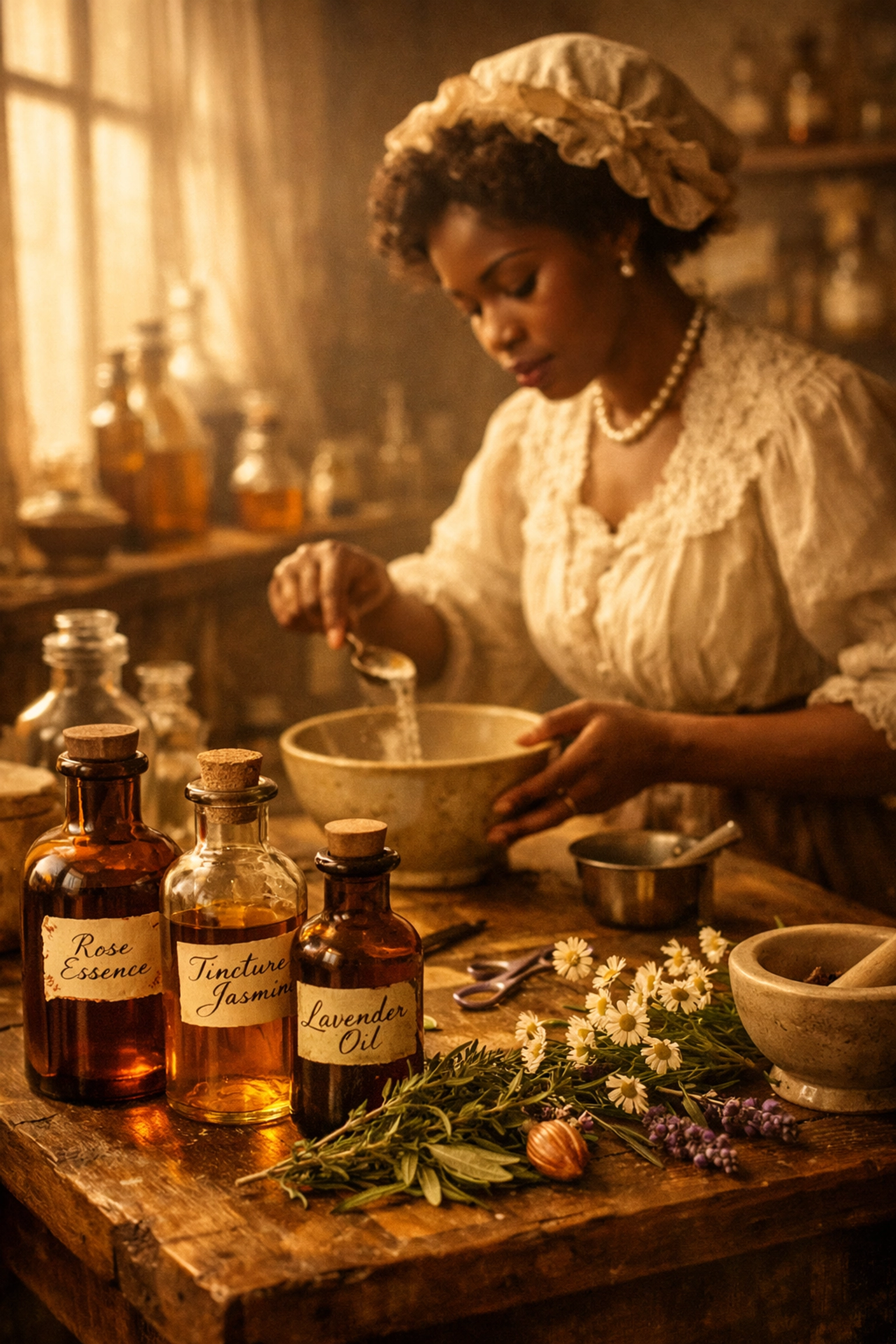
Both women were experimenting with ingredients when most people thought beauty products were frivolous luxuries. Malone studied chemistry and hair growth. Walker developed formulas that addressed specific scalp conditions affecting Black women. They weren't just mixing stuff in a bowl: they were creating SOLUTIONS to real problems that the mainstream beauty industry completely ignored.
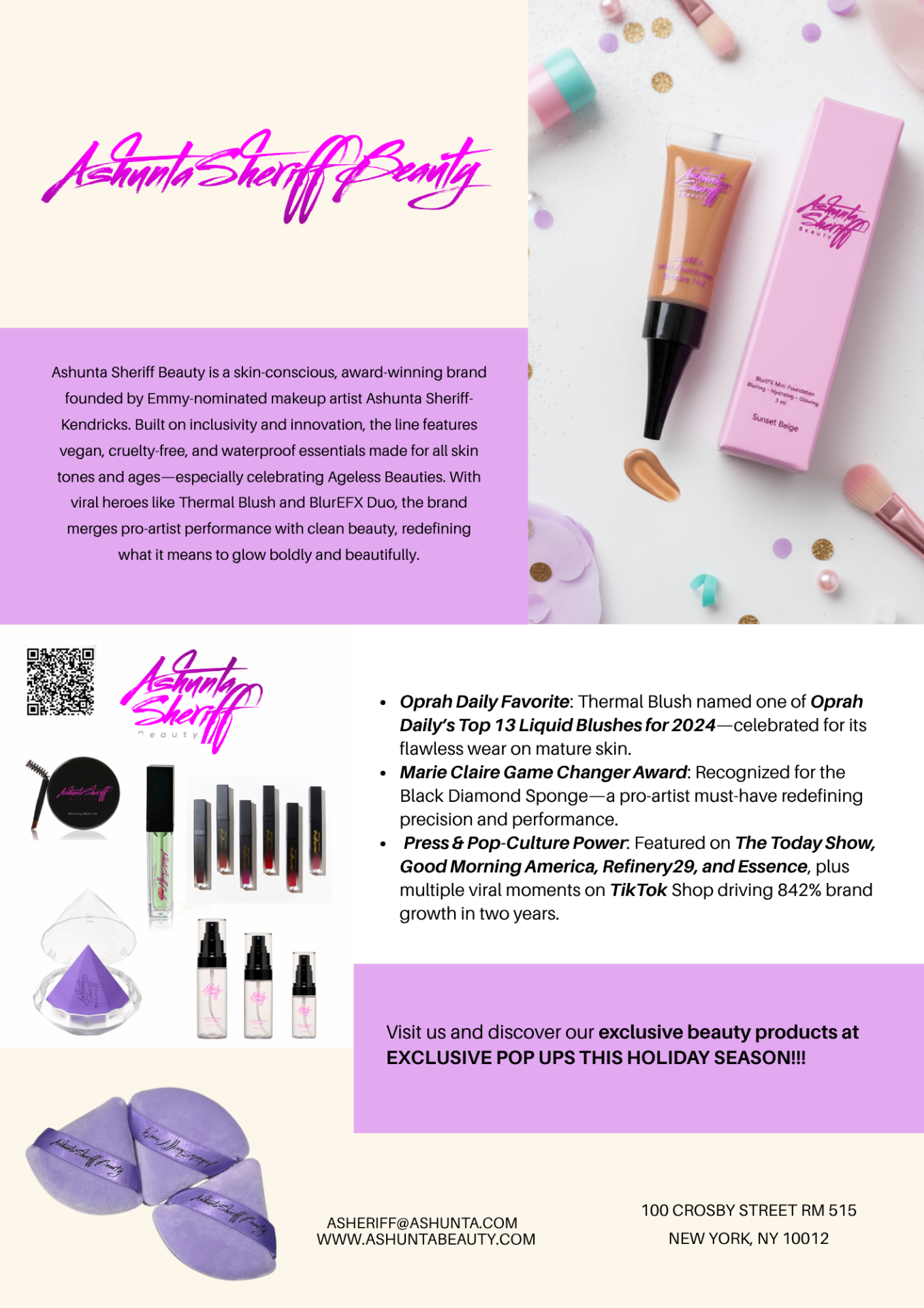
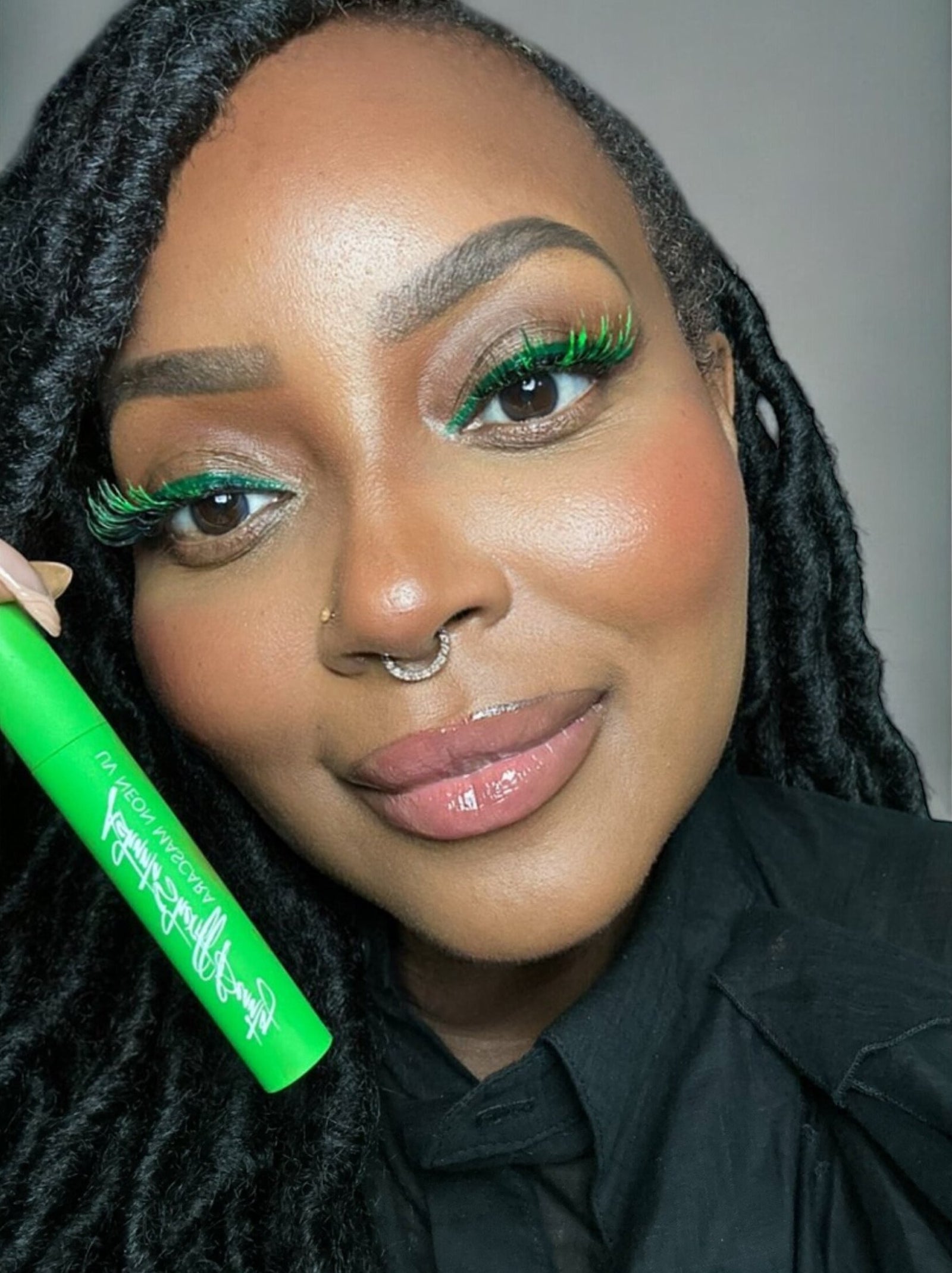
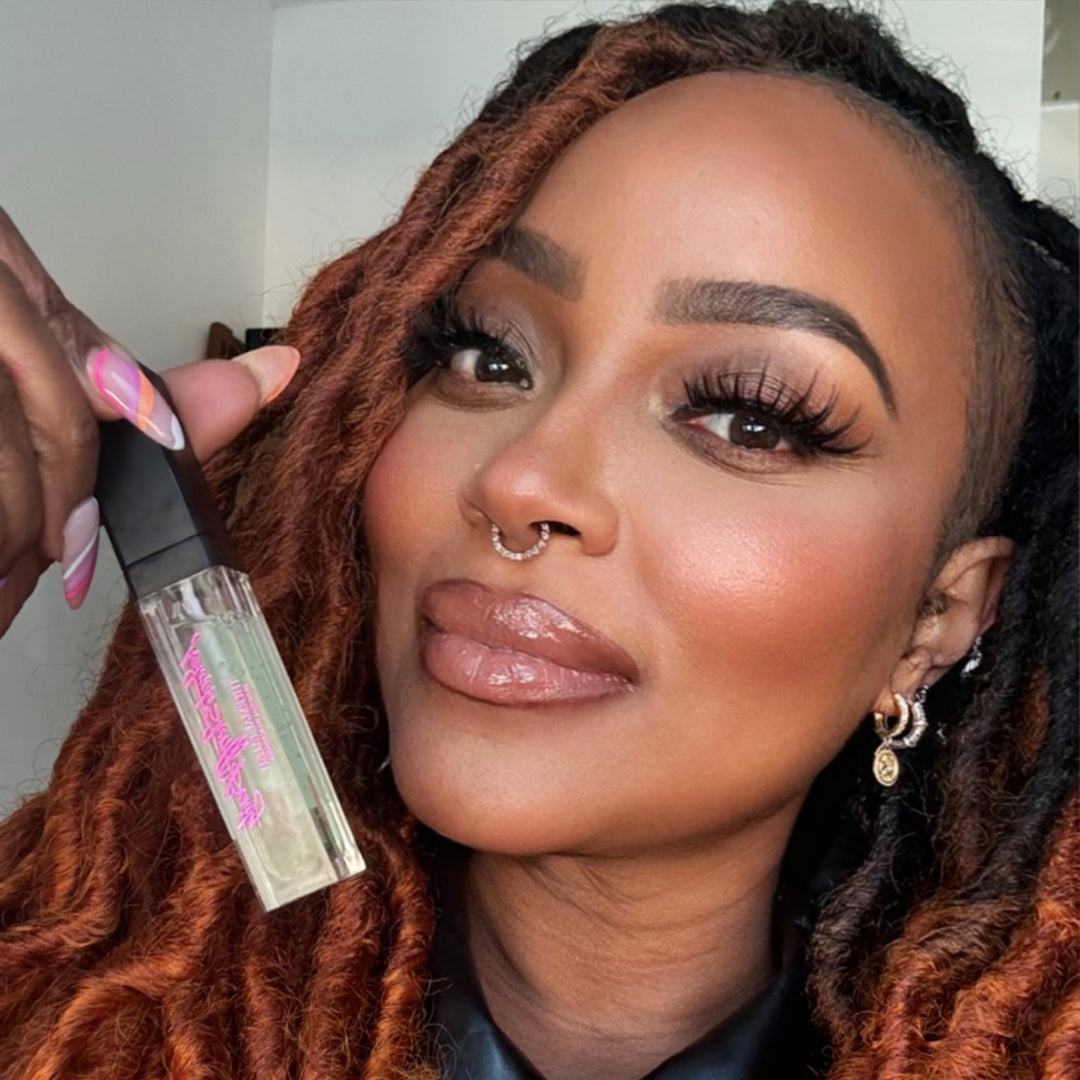
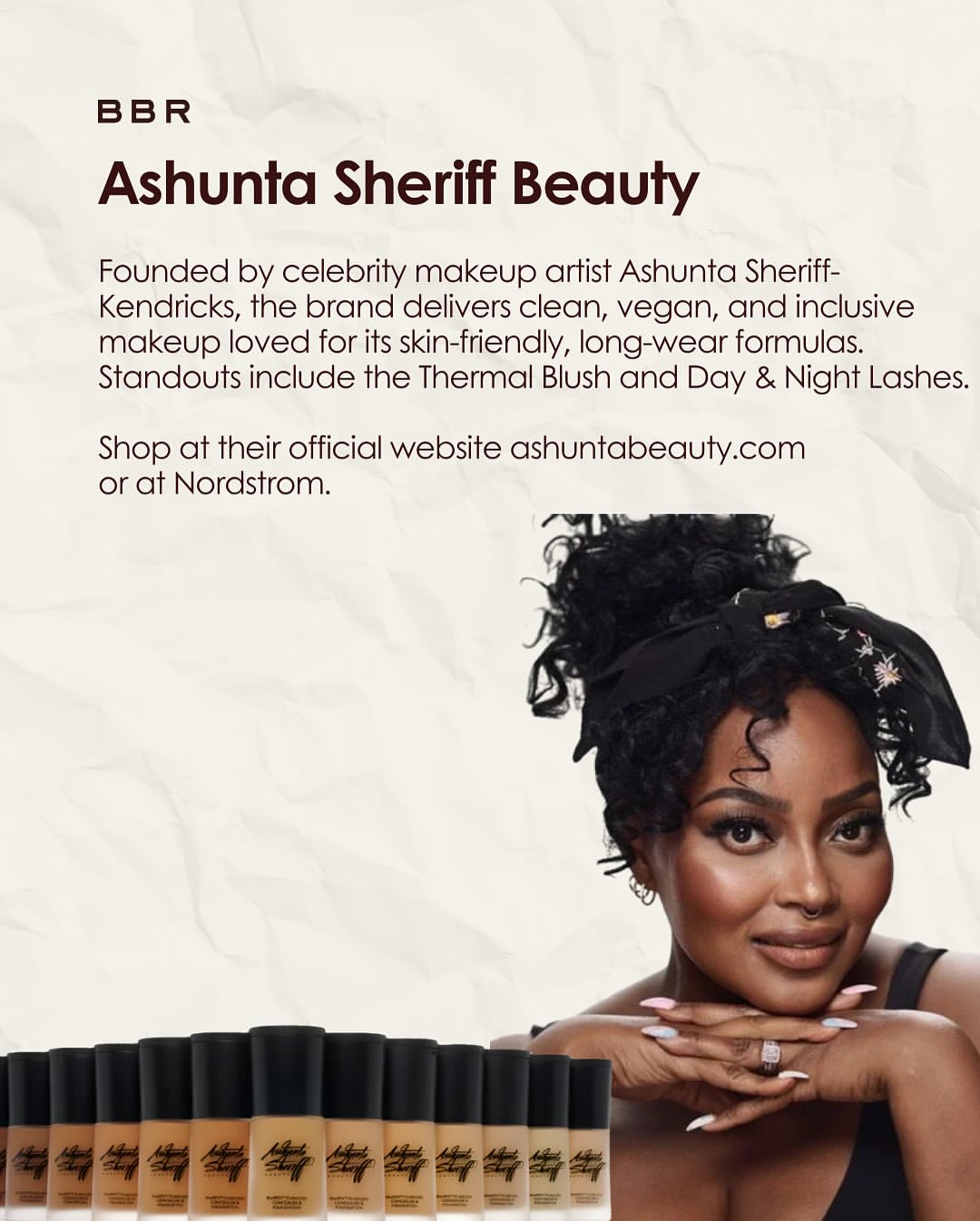
Sound familiar? That's because this is EXACTLY the approach we take at Ashunta Inc. Our thermal blush technology, our skin care-infused makeup, our commitment to vegan and non-toxic formulations: we're standing on the shoulders of giants who proved that innovation comes from understanding what your community actually needs.
THEY BUILT MULTI-LEVEL MARKETING BEFORE IT WAS A THING
Both Malone and Walker created sales agent networks that empowered thousands of Black women to earn independent incomes. This was HUGE. We're talking about a time when most Black women were limited to domestic work with little opportunity for economic advancement. These beauty empires created pathways to financial independence and entrepreneurship.
Walker's agents didn't just sell products: they were trained in hair care, business practices, and personal development. Malone's Poro College offered comprehensive education in cosmetology and business management. They were building LEGACY, not just selling lipstick.
THEY UNDERSTOOD BRANDING AND MARKETING GENIUS
Madame Walker didn't just create products: she created an IDENTITY. She became the face of her brand, traveling across the country giving demonstrations, building relationships with customers directly. She understood that people buy from people they trust and relate to.
Malone branded everything under "Poro" (a West African term meaning devotional society), connecting her products to heritage and community. Both women used testimonials, before-and-after photos, and targeted advertising in Black newspapers.
This wasn't accidental. This was STRATEGIC MARKETING that modern brands are still copying today.
THE REAL IMPACT: BEYOND THE PRODUCTS
Here's where it gets even more incredible. Both women used their wealth to uplift entire communities:
- Malone gave over $2 million to charity, supporting Howard University, the Tuskegee Institute, and numerous other educational institutions
- Walker donated to Black schools, orphanages, and civil rights organizations, including being a major contributor to the NAACP's anti-lynching campaign
- Both women created THOUSANDS of jobs for Black women at a time when employment options were severely limited
- They mentored and trained future generations of beauty entrepreneurs
This is what GENERATIONAL IMPACT looks like. They weren't just building businesses: they were building infrastructure for entire communities to thrive.
THE BLUEPRINT THEY LEFT US
So what can we learn from these OGs? Everything.
INNOVATION OVER IMITATION: Both women could have tried to replicate what white-owned beauty companies were doing. Instead, they created entirely new categories serving an underserved market. That's how you build an empire.
COMMUNITY-CENTERED BUSINESS: Their success was intrinsically tied to uplifting others. The beauty industry they created wasn't extractive: it was generative.
QUALITY AND EFFICACY MATTER: These weren't gimmick products. They WORKED. That's why women kept buying them, recommending them, and building businesses around them.
REPRESENTATION IS NON-NEGOTIABLE: They understood that Black women needed to see themselves reflected in beauty standards, product development, and business ownership.
EDUCATION DRIVES THE INDUSTRY FORWARD: Both women invested heavily in training and education because they knew that knowledge builds power.
THE LEGACY CONTINUES
When I think about what we're building at Ashunta Inc, I see the direct throughline from Malone and Walker to now. We're still asking the same questions they asked: What does our community actually need? How can we innovate beyond what's currently available? How can we create products that are both effective AND aligned with our values?
That's why we formulate with skin care-infused ingredients. That's why we're committed to vegan, cruelty-free, and non-toxic standards. That's why we create shades for ALL of us, not just some of us. That's why we educate through content like this series.
The blueprint is clear: Innovation rooted in community needs, quality that speaks for itself, and business practices that lift as we climb.
Malone and Walker proved that Black women don't just belong in the beauty industry: we BUILT the beauty industry. And we're still building.
YOUR TURN TO WRITE HISTORY
Every time you choose a Black-owned beauty brand, you're participating in this legacy. Every time you support innovation over imitation, you're honoring the blueprint these women created. Every time you demand better ingredients, more inclusive shade ranges, and products that actually work for YOUR skin: you're continuing the revolution they started.
Want to be part of this legacy? Explore our award-winning collection and see how we're carrying the torch forward with innovation, inclusivity, and products that actually perform.
Because here's the truth: THE OGs didn't build all this just for us to settle for mediocre. They built it so we could demand excellence, create excellence, and BE excellence.
Now that's a glow-up that transcends generations.
This is the first post in our Black Beauty: Heritage & Innovation series celebrating Black History Month. Follow along as we explore the innovators, inventors, and icons who shaped the beauty industry we know today: and the future we're building together.